Important
The information on this page is for educational purposes only. It is not medical advice and is not a substitute for evaluation, diagnosis, or treatment by a qualified healthcare professional. No physician-patient relationship is established through this website. If you are experiencing a medical or psychiatric emergency, call 911 or go to the nearest emergency room. If you are having thoughts of suicide or self-harm, call or text 988 to reach the Suicide and Crisis Lifeline.
Clear, evidence-based guidance on neuromodulation for psychiatric treatment
A resource for patients exploring options and clinicians seeking a deeper understanding — covering TMS, ECT, ketamine, VNS, and the broader landscape of brain stimulation treatments.
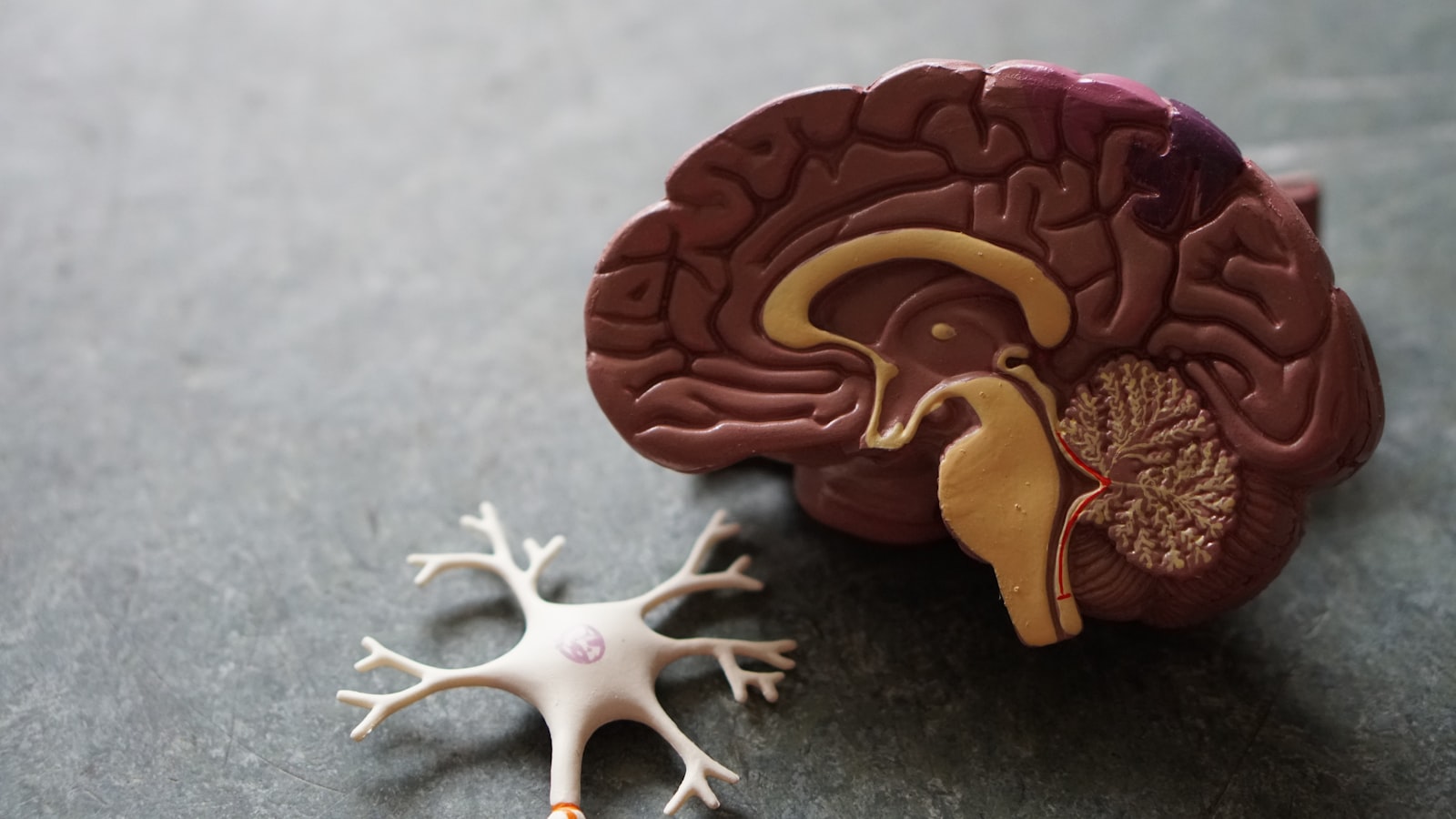
Between too little information and too much marketing, patients and clinicians deserve something better.
Patients and families exploring neuromodulation often run into a confusing mix: hopeful promises on one side, dated stigma on the other, and highly technical journal articles in between. Clinicians face a different problem — resources that are either too superficial to be clinically useful or too specialized for anyone outside a dedicated program.
This site is built to be a middle ground. The goal isn't to sell a treatment or argue against one. It's to explain what each of these interventions actually is, what the evidence really shows, how they compare, and what the honest tradeoffs look like — written for two audiences at once, in plain language where possible and in proper clinical language where that matters.
The pages here cover the treatments actively offered at the Prisma Health Neuromodulation Program (TMS, ECT, and ketamine) as well as ones that are important to understand even if we don't offer them directly (VNS, psychedelics, and newer modalities like focused ultrasound and magnetic seizure therapy). Patient-facing and clinician-facing versions of each topic are available where the level of detail differs meaningfully.
The major approaches in neuromodulation for psychiatric conditions
Neuromodulation is an umbrella term for a group of very different treatments. Each has its own evidence base, mechanism, indication set, and tradeoffs. Click into any treatment for detailed information.
TMS
Transcranial magnetic stimulation uses focused magnetic pulses to modulate specific brain circuits. Most commonly used for treatment-resistant depression; FDA-cleared for several other indications including OCD and anxious depression.
ECT
Electroconvulsive therapy remains the most effective treatment in psychiatry for severe depression, psychotic depression, catatonia, and urgent clinical situations. Performed under general anesthesia with muscle relaxation.
Ketamine
IV ketamine and intranasal esketamine produce rapid antidepressant effects through NMDA receptor modulation. Considered for severe or treatment-resistant depression, with careful screening and monitoring.
VNS
Vagus nerve stimulation is an implanted device approved for chronic or recurrent treatment-resistant depression. Unique for its slow onset but durable, cumulative benefit over 1–2 years of continuous stimulation.
Psychedelics
Psychedelic-assisted therapy is an evolving area — promising early data for depression and PTSD, but regulatory approval is still limited and the field deserves careful framing that separates promise from oversimplification.
Other neuromodulation
A broader look at transcranial direct current stimulation (tDCS), magnetic seizure therapy (MST), deep brain stimulation (DBS), focused ultrasound, and other emerging modalities.
Start here. The evidence-based foundations that help most people, most of the time.
This site is about neuromodulation — TMS, ECT, ketamine, VNS, and emerging options. But those treatments work best alongside, not instead of, the lifestyle foundations that have the strongest evidence for mental health: exercise, sleep, nutrition, sunlight and circadian rhythm, social connection, mindfulness, and substance moderation. For many people, working these well is enough. This site exists for when they aren't.
